Do You Really Need Orthotics? Here’s How to Know
 Posted on
If you’re dealing with ongoing foot, heel or lower limb pain, you may have been told you need orthotics, but many people are unsure whether they’re actually necessary.
The truth is simple: orthotics can be extremely helpful when prescribed for the right reasons and unnecessary when they’re not.
At The Fane Clinic, the focus is not selling insoles.
It’s identifying what will genuinely help you move comfortably and stay active.
When Orthotics Make a Real Difference
Orthotics are most useful when pain is linked to how your foot loads, moves or tolerates activity.
They commonly help with:
- Plantar heel pain (plantar fasciitis)
- Achilles tendon pain
- Forefoot pain and metatarsalgia
- Running injuries
- Knee pain linked to foot mechanics
- Flat feet causing symptoms
- Arthritis in the foot
- Work-related foot fatigue
- By reducing strain on irritated tissues, orthotics can make activity more comfortable while recovery happens.
Signs You Might Benefit From Orthotics
You may benefit if:
- Pain keeps coming back
- Activity increases symptoms
- You stand or walk long hours at work
- Good footwear hasn’t solved the problem
- You’re increasing running or sport
- You want to stay active without flare-ups
If this sounds familiar, orthotics may be part of the solution but only after assessment.
What Most People Get Wrong About Orthotics
Orthotics don’t “fix” feet.
They help manage load so tissues can settle and adapt.
The best results happen when orthotics are used alongside:
- Rehabilitation exercises
- Footwear advice
- Sports therapy treatment
- Activity planning
- Strength work
This is why assessment matters more than the device itself.
You May Not Need Orthotics And That’s OK
Many patients expect to be given insoles, but sometimes the right answer is different.
You may not need orthotics if:
- Footwear changes solve the issue
- Strength work improves symptoms
- Pain is short-term overload
- Simple treatment works
At The Fane Clinic, orthotics are recommended only when they add value.
What Happens on a Bio-mechanical Assessment?
Your appointment focuses on understanding the cause of symptoms, not just your arch type.
This includes:
- Detailed discussion about pain and activity
- Foot and lower limb assessment
- Movement and gait analysis
- Footwear review
- Clear explanation of options (including whether orthotics are needed)
If orthotics are appropriate, you’ll understand why.
If they aren’t, you’ll leave with a clear plan.
The Goal: Keep You Active Without Reliance
Orthotics can:
- Reduce pain
- Improve tolerance to walking, work and sport
- Support recovery
- Help prevent recurring flare-ups
But the real goal is confidence in your feet.
Book An Assessment At The Fane Clinic
If you’re unsure whether orthotics are right for you, an assessment provides clarity and a personalized plan.
You don’t need to guess.
You don’t need to self-diagnose.
You don’t need to buy insoles blindly.
You just need the right assessment.
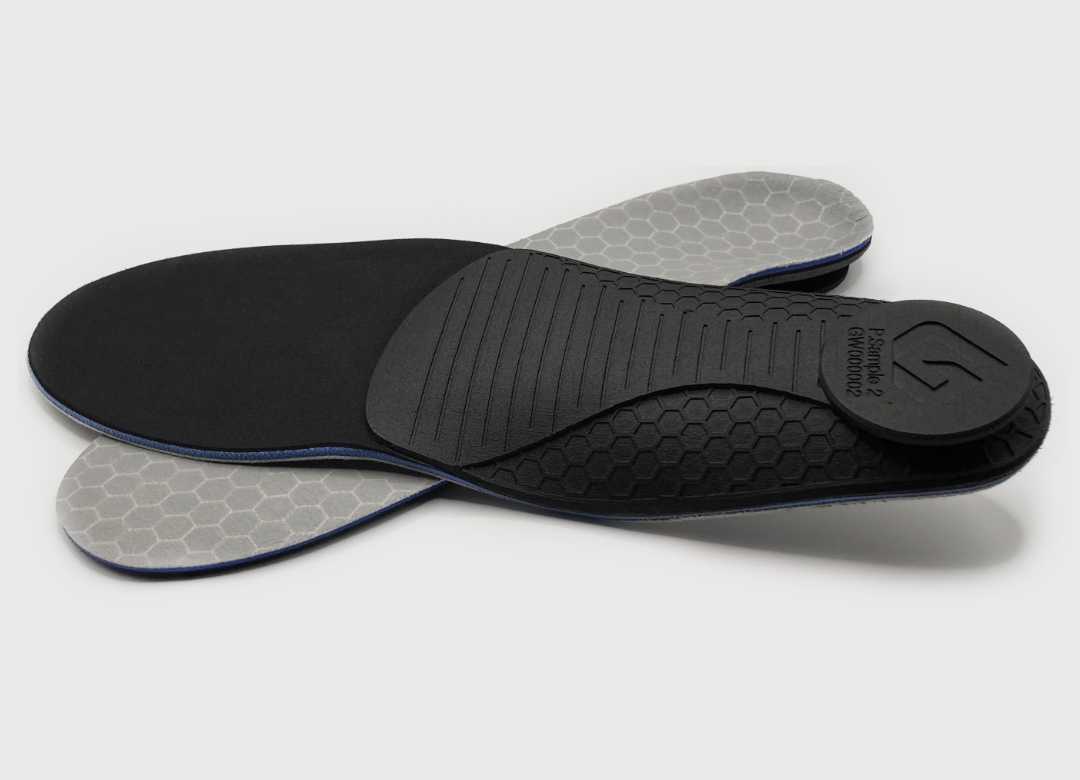
At The Fane Clinic, we provide bespoke 3D-scanned orthotics designed specifically for your feet, activity levels and goals.
Your care doesn’t stop once orthotics are issued. We include regular reviews, adjustments and ongoing support to ensure your orthotics continue to work as your activity and symptoms change.
This means you’re supported throughout your journey back to comfortable movement and long-term activity.
Book your orthotics / biomechanical assessment at The Fane Clinic and find out what will actually help.
Book Online– www.thefaneclinic.co.uk
Call Reception On– 01733 571555
Email– reception@thefaneclinic.co.uk